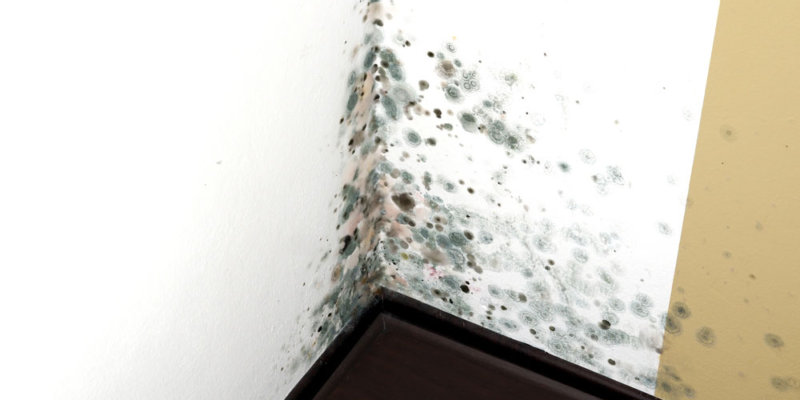
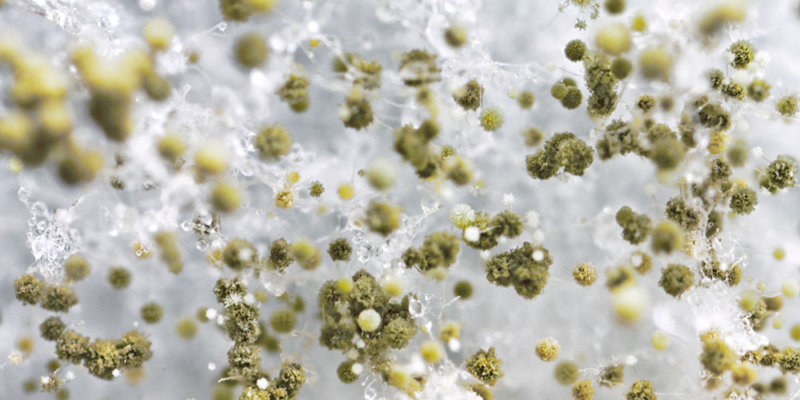
Most people are familiar with mold growth when it is seen as a fuzzy patch on food, or as a stain spreading across damp surfaces. There have been numerous studies that indicate mold can be harmful when ingested. But the air-born particles found in our homes and other buildings are not usually suspected to be a health hazard to the general public.
“Mold spores are everywhere. There are acceptable levels of mold and unacceptable levels in dwellings. It takes excessive water intrusion or condensation to create unacceptable levels of mold,” remarks Darrel Gottschalk, owner of GottPower, a professional mold remediation company serving the Chesapeake and Mid-Maryland regions.
When Is Mold Testing Recommended?
According to the American Industrial Hygiene Association, if mold is present it is best to have the problem remediated, regardless of what species is present. AIHA recommends testing air quality in instances of litigation, or specific health concerns are an issue, or if the specific source of the contamination is hidden.
Sampling for airborne mold spores can help determine whether the mix of indoor mold is typical of the outdoor environment or indicates an indoor mold problem. Samples are collected from both the outdoor and indoor air. A useful method for interpreting microbiological results is to compare the types and levels of organisms detected in different environments, such as indoors versus outdoors or affected areas versus unaffected areas. Indoor mold types should generally be similar to, and airborne concentrations should be no greater than, those found outdoors and in unaffected areas.
Controlling Mold Starts with Controlling Moisture
The Centers for Disease Control and Prevention (CDC) stresses that the term “toxic mold” can be misleading. However, the agency also states that current guidance from federal and professional organizations recommends controlling mold growth appropriately, regardless of the type of mold present.
Mold becomes an issue when it is ignored or overlooked. The best way to control mold is to control moisture. If the mold is an issue in your home, it MUST be cleaned up and removed, and the source of the moisture eliminated. Fixing the source of the water problem or leak will prevent further mold growth.
Reducing indoor humidity can greatly reduce potential mold growth by using proper venting in bathrooms and for laundry dryers. Use air conditioners and de-humidifiers, or exhaust fans when showering or while cooking.
Professional Mold Remediation Protects Your Home
Care should be taken when cleaning small areas of mold by using appropriate cleaning methods and minimizing the spread of dust and spores. For larger mold infestations, professional mold remediation is strongly recommended to ensure the mold is safely removed and the underlying moisture problem is corrected.
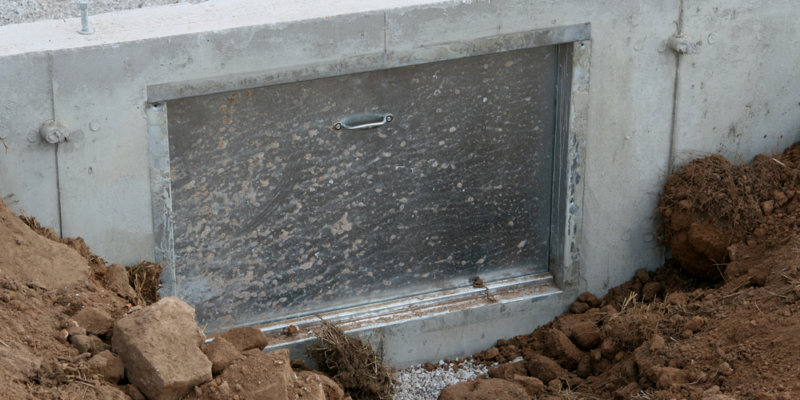
Gottschalk emphasizes that it is important to work with a company that understands both water intrusion repair and professional mold remediation. GottPower Restoration Services provides structural repairs, basement waterproofing, crawl space encapsulation, and comprehensive mold remediation services to address the root cause of mold problems.